
01
MOBILITYMobility
Freedom and availability of movement through the required range. Mobility is not viewed in isolation but in connection with stability and control.
A professional system of integrated movement for strength, mobility and active longevity.
MIMM treats the body not as a set of separate muscles, but as a unified movement system. We combine movement assessment, mobility, stability, functional strength, balance, coordination and recovery into a personal program suited to the person's abilities and goals.
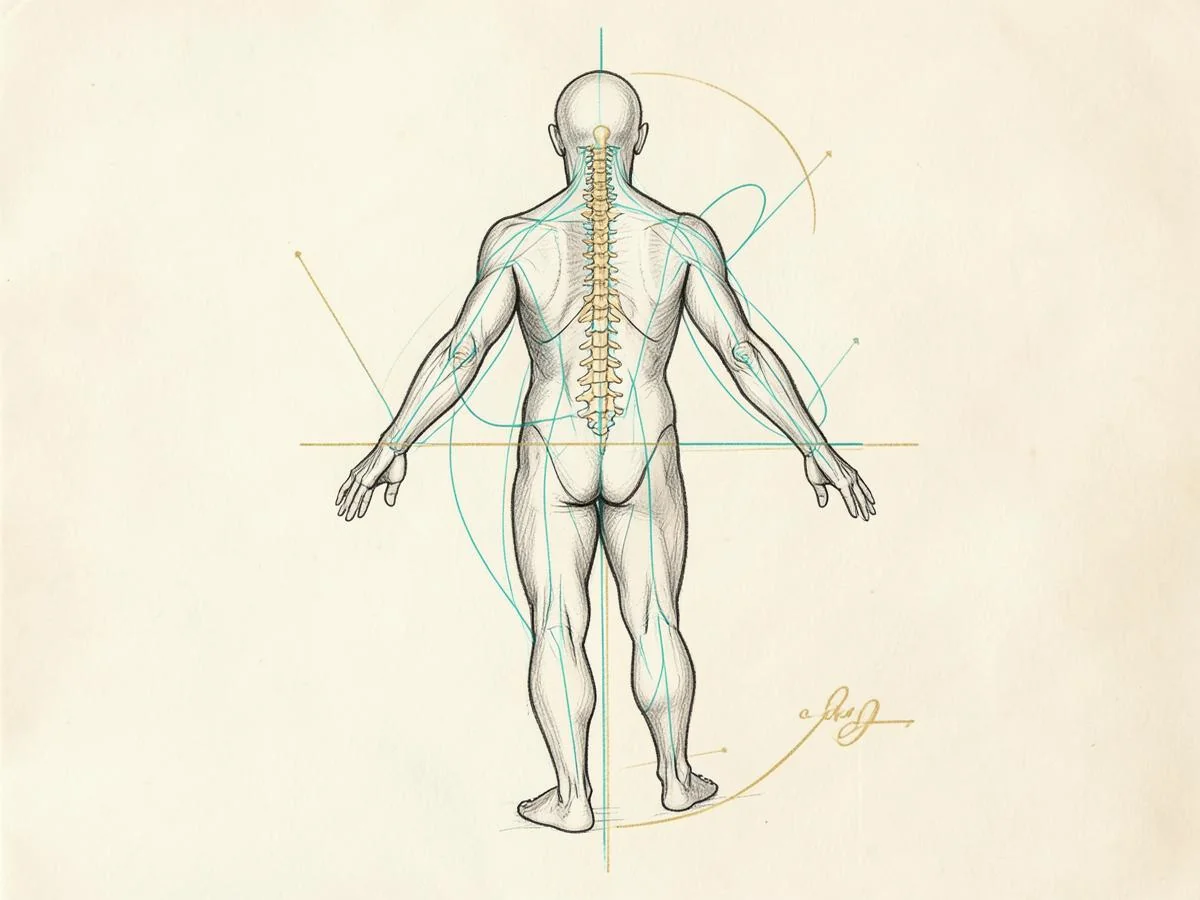
MAFIT Integrated Movement Method™ does not position itself against valuable training disciplines and does not deny their value. Its difference lies in how the work with a person is organized.
Instead of choosing one training discipline, we first assess how a person moves, which physical qualities are already developed and which need attention. The specialist then creates an individual combination of strength, mobility, stability, coordination, balance and recovery.
The goal of the method is not to complete the maximum number of exercises, but to gradually develop the physical capabilities a person needs in everyday life, work, sport and with age.
Freedom and availability of movement through the required range. Mobility is not viewed in isolation but in connection with stability and control.
The ability to maintain controlled positioning of the body and joints during static and dynamic tasks.
Developing strength for real-life movement tasks. Load is selected based on the person's level, technique and ability to control movement.
The coordinated work of body parts and muscle chains. The method develops the ability to effectively control movement, not just mechanically repeat exercises.
Breathing, intensity management, load dosing and recovery practices are part of the system, not an optional add-on.
The initial assessment that starts the work:
Body Mapping is a functional assessment for planning physical activity and is not a medical diagnosis.
After the assessment, a functional profile is created:
The specialist creates a personal ratio of program components.
Typical session structure:
After an established period, the specialist repeats the relevant tests, compares results and adjusts the program. Decisions are based on actual progress, movement quality and response to load.
The term "biological age" is not used in the method: we work with measurable functional movement indicators.
Restoring basic movement quality, control and confidence after a break or decrease in physical activity. Work in this direction is not treatment or medical rehabilitation and, if needed, is carried out with medical clearance or together with a physiotherapist.
Developing strength, mobility, stability, balance and overall physical capacity. The main focus for most clients.
Developing more complex coordination, strength, power and the physical qualities required for a specific activity or sport.
The level is determined not by age or appearance, but by the person's current abilities, goals and assessment results.
Longevity for MAFIT is not a promise to stop aging. It is systematic work on preserving the physical capabilities that define the quality of everyday life: strength, mobility, stability, balance, coordination and the ability to recover after exertion.
The method helps a person build a physical reserve and maintain the ability to move confidently through different stages of life.
"What matters is not only how many years we live, but how many years we retain the ability to move freely and live fully."
The MAFIT Integrated Movement Method™ was developed by Maria Mazur from years of hands-on work with clients, movement observation, coaching experience and the growth of the MAFIT system.
The method did not appear as an attempt to coin a fashionable training name, but as an answer to a practical problem: one-size-fits-all programmes ignore the differences between people, and single training disciplines rarely bring every needed physical quality into one system.
Maria brought that experience together into a consistent methodology of assessment, programming, session delivery and progress tracking.
“We don't start with an exercise. We start with the person and how their body moves today.”
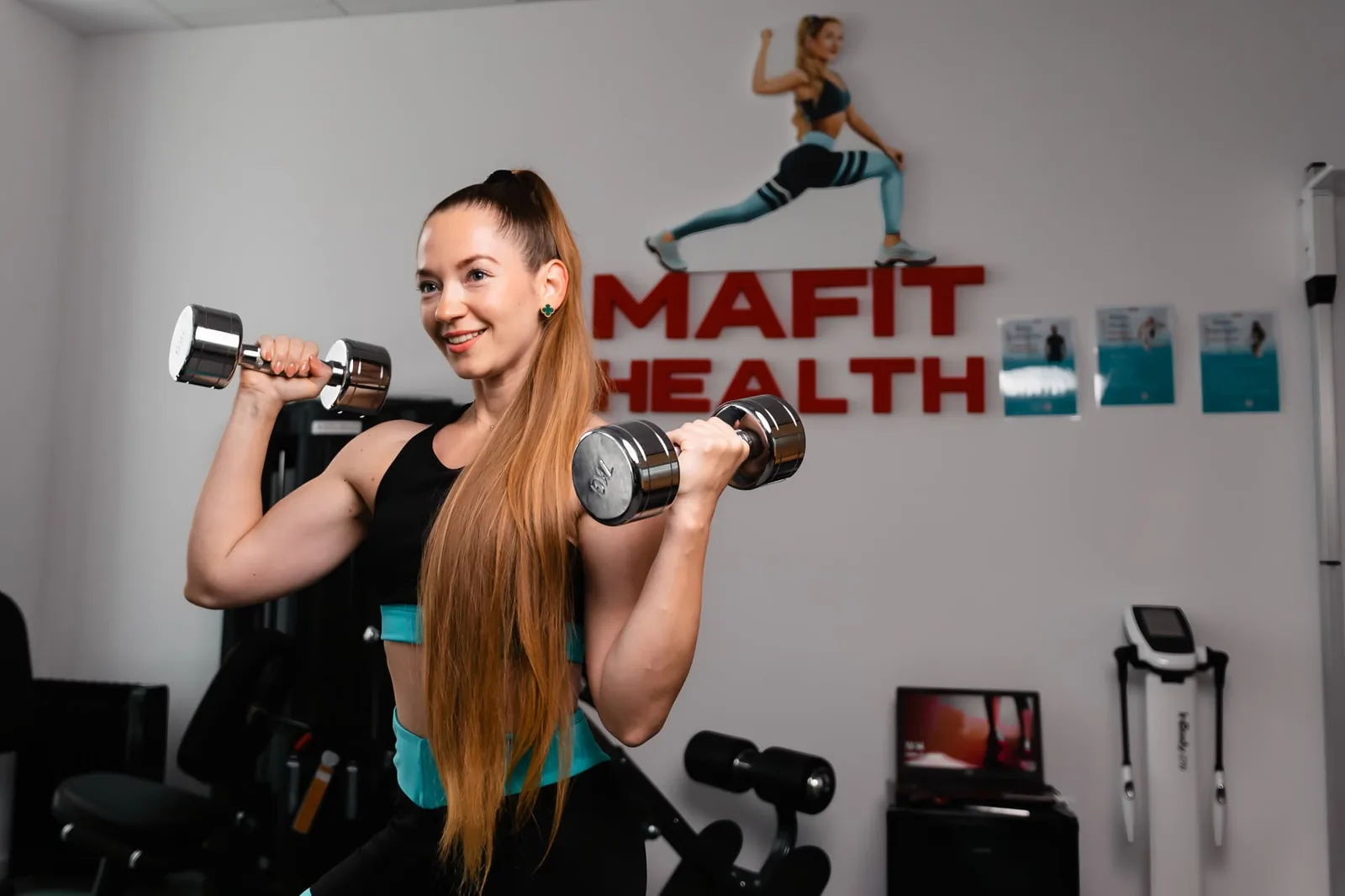
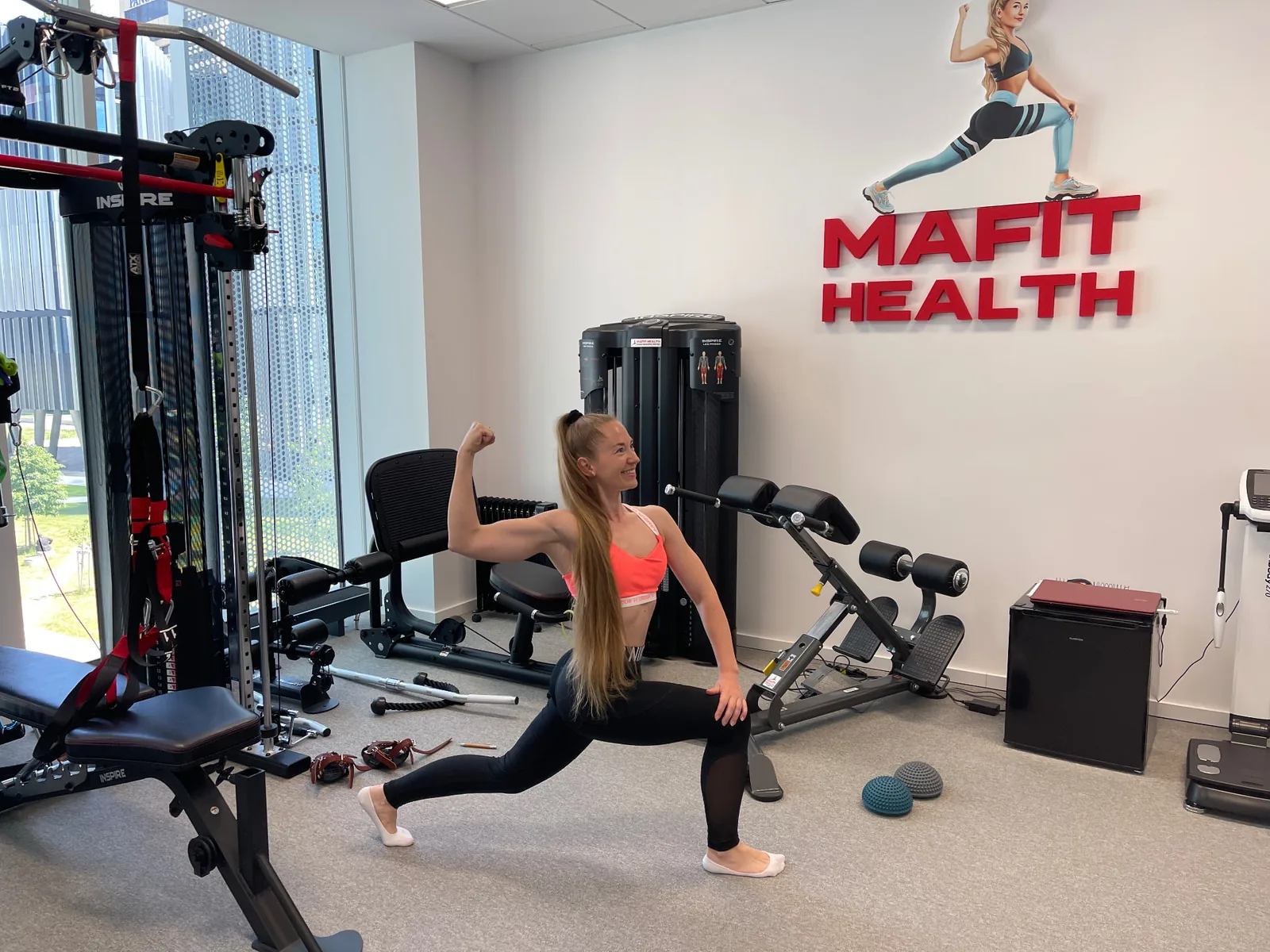
Yes. The method begins with an assessment of current abilities, so the starting level is chosen individually. Beginners receive foundational movements and gradual progression, not a shortened version of an advanced program.
MIMM does not position itself against other approaches. The difference lies in how the work is organized: first an assessment of the person, then a personal combination of strength, mobility, stability, coordination, balance and recovery, rather than a single class format.
Yes, in a practical sense: the method helps maintain strength, mobility, balance and the ability to recover, which define the quality of everyday life. The method does not promise to stop aging or guarantee a longer life.
With pain, injuries, medical conditions, pregnancy or after surgery, medical clearance or joint work with a physiotherapist may be required. A MIMM specialist works within their competence and refers to a medical professional when necessary.
Based on the results of a functional assessment: available range of motion, stability, balance, coordination, key movement patterns, load tolerance, goals and experience. Age and appearance are not criteria.
Re-Mapping is carried out after an agreed period, usually once a program stage is complete. Adjustments are made based on actual progress and response to load.
Only specialists who have completed training at MIMM Academy and confirmed their knowledge. The level of access is defined by a valid MAFIT Certified Coach certificate.
Part of the work — consultations, guidance, certain programs — can be done online. An initial assessment of movement quality is more accurate in person; the format is agreed with the specialist.
The first step in MIMM isn't buying a standard program — it's getting to know your goals and current physical abilities.